

Top Transportation Companies in Saudi Arabia
Saudi Arabia’s freight market does not forgive bad choices. Pick the wrong transportation company in Saudi Arabia and you are looking at missed delivery windows, customs holdups, and cargo sitting idle at a port while your client waits. That is a real problem for businesses that cannot afford those delays.
This article breaks down what the leading names are doing right and what you should be measuring when you compare your options.
What Separates a Good Saudi Transport Company From a Great One
This is where most buyers go wrong. They compare price lists and fleet sizes and stop there. The companies that consistently outperform the rest are operating on a different set of priorities.
Coverage Across Freight Modes
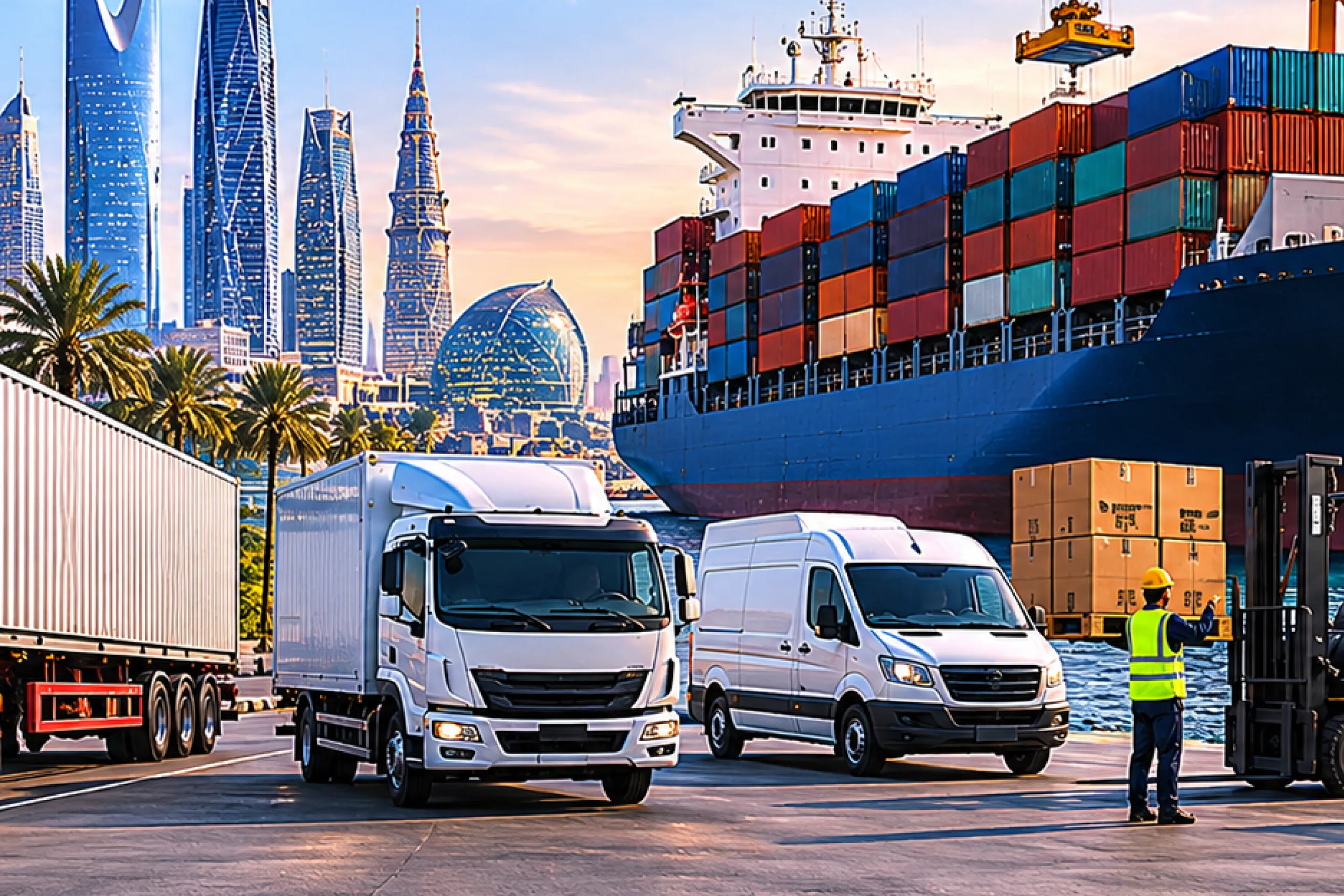
The strongest players handle land, air, and sea under the same roof. That matters because cargo does not always travel one way. A shipment might come in by ocean freight to Jeddah and need land transportation to reach a facility in Dammam. If your provider cannot manage both legs without handing off to a third party, you have just added risk.
Customs Knowledge
Saudi import and export regulations are specific, and they change. A logistics partner that knows how to manage documentation, tariff codes, and clearance procedures correctly will save you from delays that cost real money.
Real Tracking, Not Just Promises
Live GPS monitoring, shipment status updates, and a proper communication chain between their team and yours. Companies that are still running manual tracking processes are not set up to handle the volume the Saudi market demands right now.
Sector Experience
Oil and gas cargo moves differently from pharmaceuticals, which moves differently from retail stock. Ask any provider directly how many clients they handle in your industry and what their process looks like for that cargo type. The answer will tell you a lot.

The Categories That Matter in the Saudi Market
When you look at the top transport companies in saudi arabia, they generally fall into a few operating models.
Integrated Freight Operators
They cover the full chain from origin to final delivery. They handle documentation, storage, customs, and transportation under one management structure. This is the model that reduces coordination failures because fewer parties are involved in each shipment.
Land Freight Specialists
Focus on road networks within the Kingdom. Given Saudi Arabia’s geography, this is serious work. Routes between Riyadh, Jeddah, and the Eastern Province require experienced route planning, well-maintained vehicles, and understanding of weight restrictions on different roads.
Project Logistics Providers
Focus on road networks within the Kingdom. Given Saudi Arabia’s geography, this is serious work. Routes between Riyadh, Jeddah, and the Eastern Province require experienced route planning, well-maintained vehicles, and understanding of weight restrictions on different roads.
International Freight Forwarders
Manage the documentation, carrier coordination, and customs compliance sides of cross-border shipping. They do not necessarily move the cargo themselves but coordinate every party involve
How Vision 2030 Is Changing the Transport Landscape
Manage the documentation, carrier coordination, and customs compliance sides of cross-border shipping. They do not necessarily move the cargo themselves but coordinate every party involve
Saudi Arabia is not sitting still on infrastructure. The National Transport and Logistics Strategy is expanding port capacity, adding rail connections, and upgrading air cargo facilities. The goal is to position the Kingdom as a logistics hub connecting three continents.
For businesses operating here, that means the bar is rising. Transport providers that are not investing in digital systems, route optimisation, and compliance training are going to fall behind the pace of change. The companies growing fastest in this market started upgrading their operations two or three years ago.
Where Khelogix Fits
Khelogix Global is based in Al Khobar, with operations across Saudi Arabia and the UAE. Their service range covers land transportation, sea freight, air freight, project logistics, and cargo chartering.
The practical advantage for clients is a single point of contact across all those freight types. Rather than coordinating with a separate land carrier, a separate freight forwarder, and a separate customs agent, Khelogix manages the process from planning through delivery with in-house teams.
They serve clients in oil and gas, healthcare, retail, manufacturing, and construction. Each of those sectors has different cargo requirements, and Khelogix builds around those differences specifically rather than applying a standard process to every shipment.
For queries: +966 55 306 6777 or info@khelogix.com
Final Thoughts
The Saudi logistics market is competitive, growing, and unforgiving of poor planning. The Freight Forwarding Companies leading the field right now share one quality above everything else: they treat your cargo like a system problem, not a delivery job.
Before you commit to any provider, ask them two questions. First, how do you handle a customs delay? Second, what happens if a delivery window is missed? Their answers will tell you more than any brochure.
FAQ
Start by looking at their track record in your specific industry. A company that handles retail freight well may not be the right fit for industrial cargo. Ask for references from clients in a similar sector, check how their tracking system works, and find out who your direct contact will be when something goes wrong. That last point is where a lot of providers fall apart.
For most businesses, one integrated provider is the smarter call. Fewer handoffs means fewer things that can go wrong between legs. The main exception is if your cargo is highly specialised, like oversized industrial equipment, where a dedicated project logistics firm with the right equipment may be worth the extra coordination effort.
Ask specifically what their process is for handling incomplete documentation, misclassified goods, and port delays. Companies with strong customs teams will give you a clear answer. Vague responses are a sign they are outsourcing that part or do not handle it with much consistency.
Infrastructure improvements are generally moving in a positive direction for shippers. New port capacity and road upgrades are reducing transit times on major routes. That said, the market is also getting more competitive, so pricing pressure is real. Working with a provider that has long-term contracts with carriers gives you more stability.
Yes. Their operation covers land transportation within Saudi Arabia and the UAE alongside international freight via sea and air. Customs clearance is handled in-house, which cuts down on the coordination gaps that tend to cause delays in cross-border shipments.