
International Freight Forwarder or Local Carrier?
Picture a crate of plant machinery leaving a factory in Europe, bound for a project site near Dammam. Now picture a trade show booth that has to be standing in a Riyadh hall by opening day. Both need moving, but the right partner for each could differ. A local carrier drives your goods from one address to another. An international freight forwarder plans the full journey across borders, paperwork included. Pick wrong, and the cost tends to show up later, as port storage fees or a missed setup slot.
Quick answer: If cargo stays inside one country and needs no customs work, a local carrier is often enough. If it crosses a border, needs export packing, or has to come back after an event, you’ll likely want a forwarder.
What Does a Local Carrier Actually Do?
A carrier runs the trucks. Their job is to drive.
That suits domestic moves well. Pallets from a warehouse in Jeddah to a shop in Riyadh? No customs declaration, no foreign port. A decent trucking firm handles it, and you may pay less because there’s no coordination layer on top.
Gaps appear when things get complicated. Most carriers won’t prepare your commercial invoice, book ocean space, or deal with a customs hold. That lands back on you.
What an International Freight Forwarder Handles
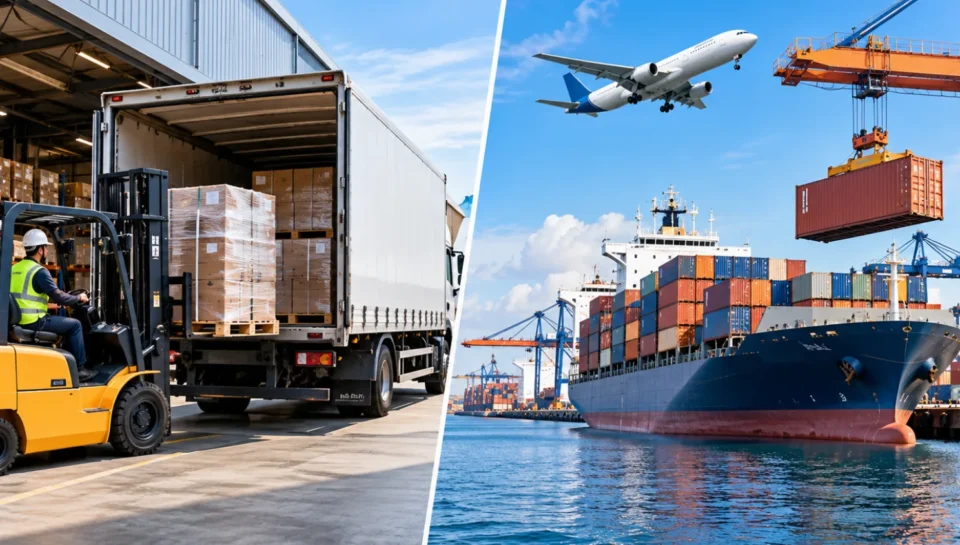
A forwarder acts as project manager for your shipment. They usually don’t own every ship or plane. They book space with airlines and shipping lines, pick the route, and join the legs together.
Khelogix, headquartered in Al Khobar and working across Saudi Arabia and the UAE, lists air, ocean, and land freight on its site next to customs clearance and warehousing. That mix is typical for a forwarder.
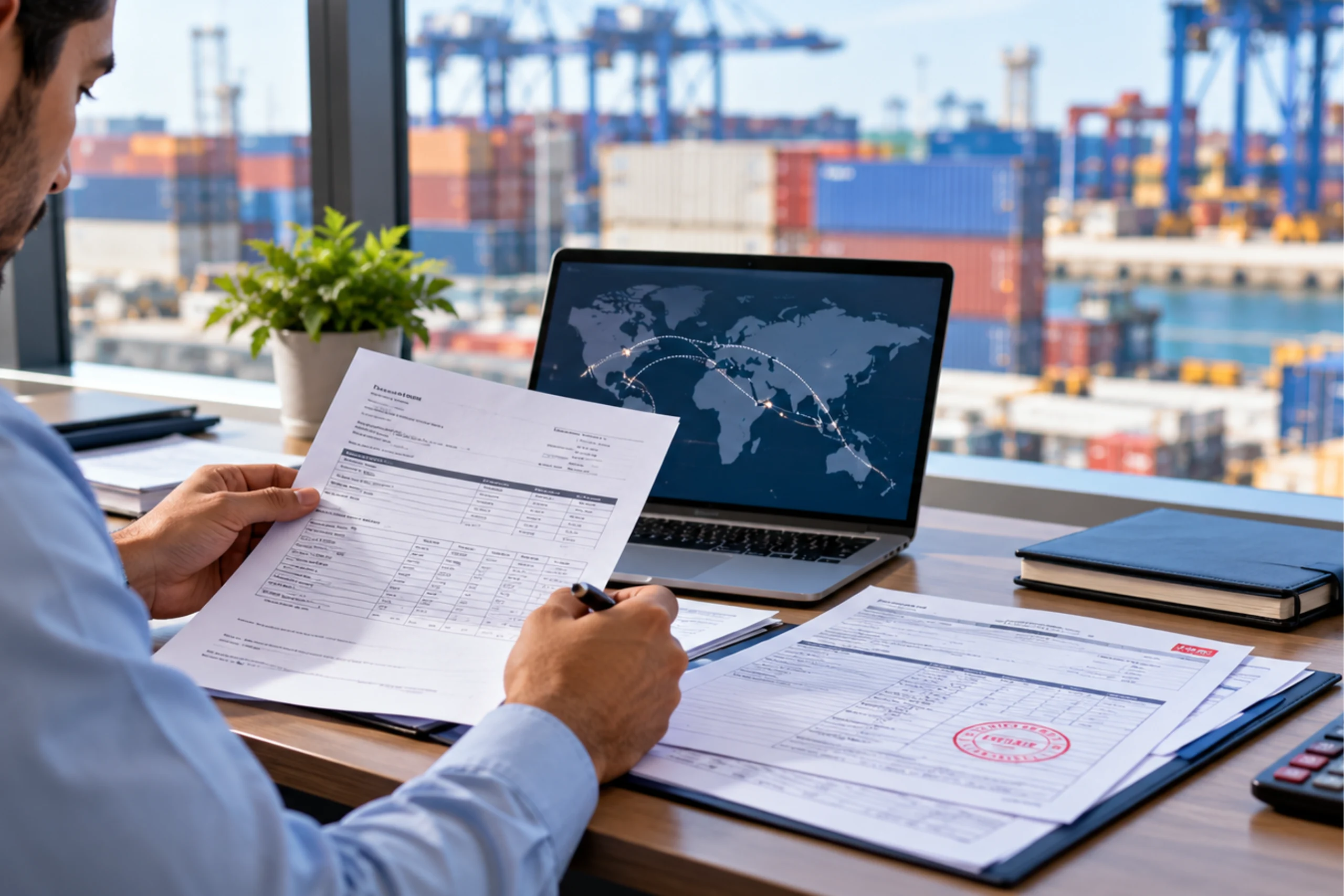
Documentation is where the process matters most. Commercial invoices, packing lists, and certificates of origin all have to line up with import rules. One wrong figure can hold a container for days.
Where Packaging Changes the Decision
People skip this part. Plenty of damage traces back to packing, long before the truck.
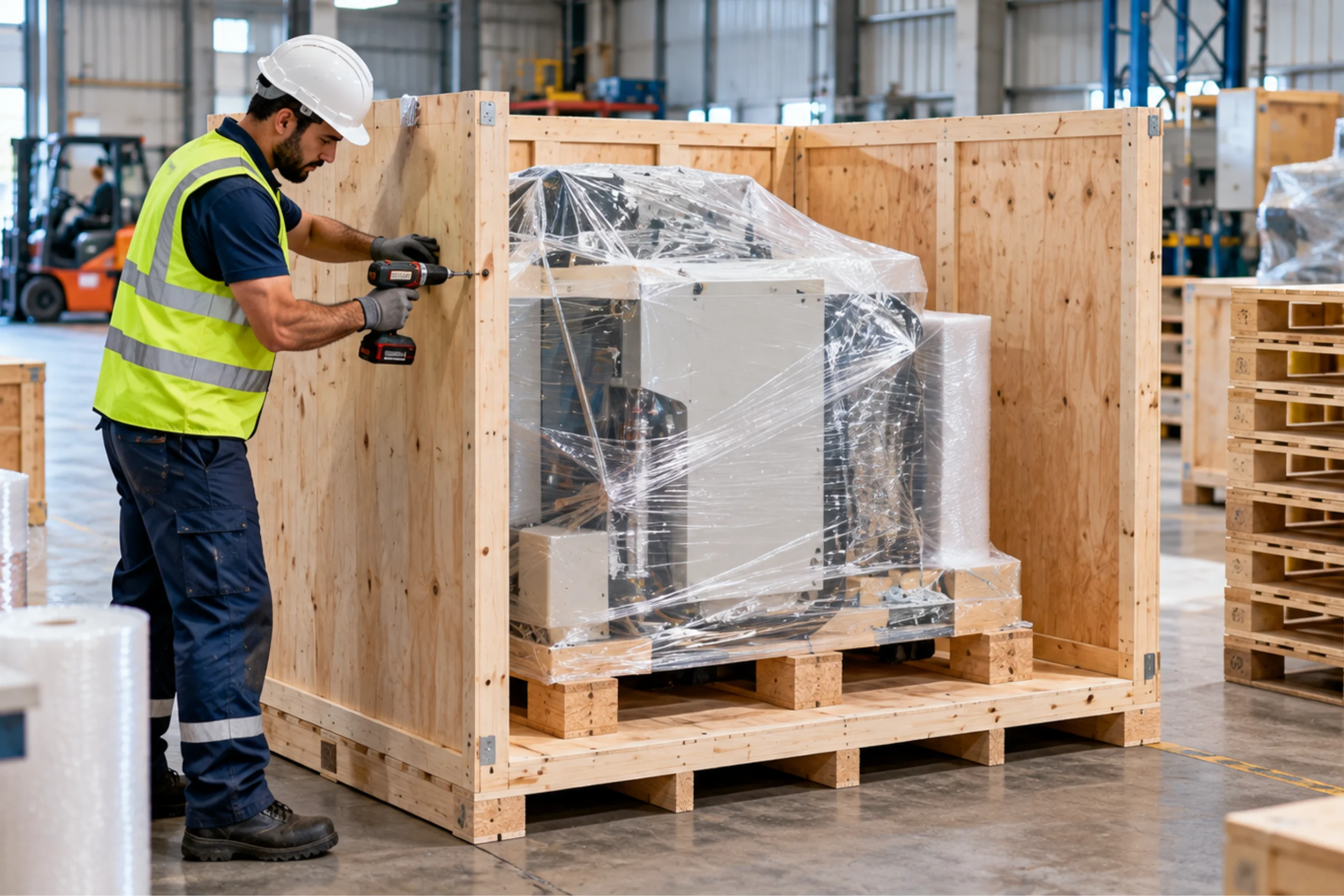
Heavy cargo gets lifted and reloaded many times on an international route. Wooden crates and pallets crossing borders generally need to meet ISPM-15, the international standard for treating wood packaging. A local carrier rarely handles that.
Providers that combine logistics and packaging can build the crate around the cargo. Industrial packaging includes custom crates in wood, steel, or both; export and seaworthy packing; and barrier wrapping for moisture-sensitive items. Packing can also happen at the client’s own factory or project site, which might save a round trip for oil and gas or EPC equipment.
Exhibition Shipments Play by Different Rules
- booth-specific delivery as per the floor plan
- coordination with venue freight handlers and stand builders
- storage before the hall opens or between two shows
- collection after dismantling, then export clearance and return shipping
A Simple Way to Decide
- Does the shipment cross a border?
- Does it need export-grade or ISPM-15 packing?
- Is there a hard deadline tied to an event or project phase?
- Does anything need to come back?
What Drives the Cost
Nobody can price a shipment fairly without details. Based on the factors Khelogix lists for event cargo, costs tend to depend on:
- origin, destination, and shipping mode
- weight and volume
- customs needs such as carnets, temporary imports, or bonds
- venue handling fees and re-export arrangements
- timeline, since rush jobs usually cost more
Customs rules and duties change. Confirm current requirements with the relevant authority or a licensed customs broker before you ship.
Final Thoughts
For a simple domestic run, a local carrier is often all you need. Once borders, special packing, or event deadlines come in, having one party coordinate everything tends to cut down on surprises.
So what is your next shipment, really: a drive across town, or a journey with customs at the end?
Disclaimer: This article is general information about logistics options. It isn’t legal, customs, or financial advice. Regulations and costs vary by country and shipment, so check with a qualified professional for your case.
FAQ
Not always. Small parcels can go by courier. Pallets or crates that need a customs declaration are a different story.
Some can. The real question is who clears it at the border, and if the trucker doesn’t, you’ll need a broker or forwarder.
A treatment standard for wooden packaging that stops pests from travelling between countries. Untreated wood could get your cargo held.
Earlier than you’d expect. Venues set strict delivery windows, and temporary import paperwork takes time, so start once your booth details are fixed.
Often, yes. Khelogix says it offers storage for exhibitors doing more than one event in the region.