
Freight Consolidator vs Freight Forwarder Explained
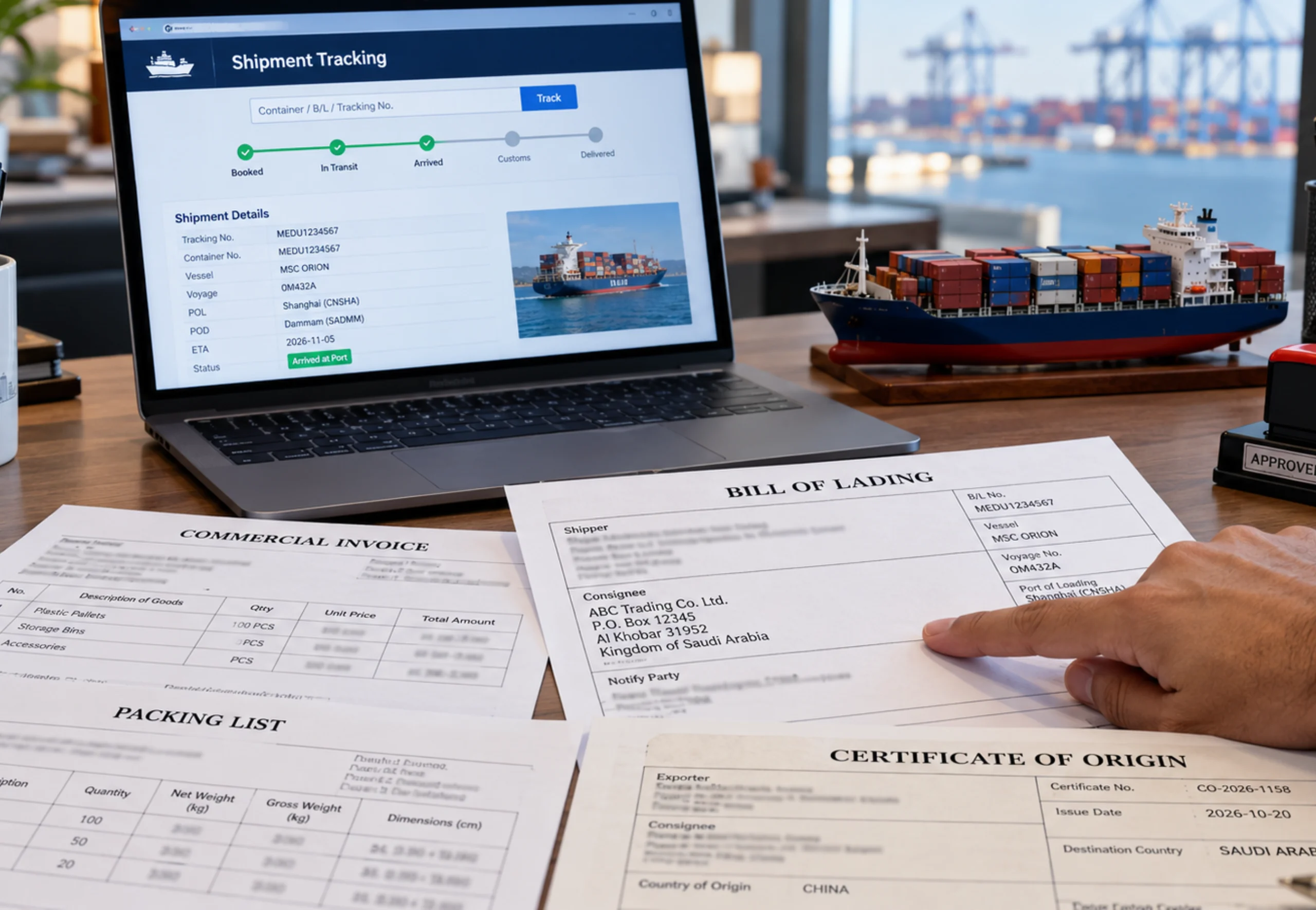
A bill of lading with the wrong consignee name can hold a container at port before anyone opens the doors. That one detail shows why the gap between a freight consolidator and a freight forwarder matters to anyone shipping goods through Saudi Arabia.
People use the two terms as if they were interchangeable. They are not. One role centers on shared container space, and the other covers the whole journey, paperwork and clearance included. Read on to see where each one starts, where it stops, and which fits your cargo.
Sea Freight Shipping and the Shared Container Problem
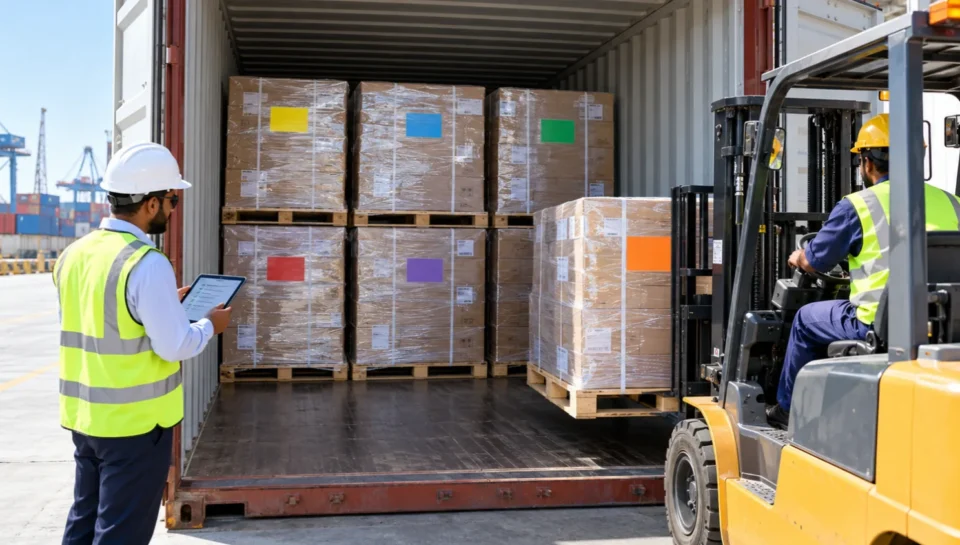
Sea freight shipping is the most affordable way to move large or heavy cargo over long distances, and it copes with almost any shipment size. The catch is the booking. If your goods fill a 20 or 40 foot container, you book a full container load, known as FCL, and the space is yours alone. If they do not, you book less than a container load, called LCL. You share the box and pay only for the space your cargo uses.
The sea moves slower than the air. Allow a few weeks in the schedule, and the cost saving usually makes up for the wait.
Where a Freight Consolidator Fits In
A freight consolidator groups smaller shipments from different shippers into one shared container. That is the LCL idea turned into a working role. Say you have six pallets. You should not pay for an entire box, so the consolidator fills the rest of the space with other loads.
The job centers on space and booking. Questions about tariff codes, Incoterms and clearance sit with the forwarder.
What a Freight Forwarder Handles Beyond the Box
A carrier gets a container from one port to another, and its job ends there. The forwarder works on the decisions around that move: the port, the carrier, the Incoterm, the HS code, and who signs what.
Those decisions are where money leaks. A misclassified commodity can sit in a bond until someone fixes the code. A consignee mismatch on the bill of lading can stop a shipment cold.
The paperwork list is long. Commercial invoices, bills of lading, packing lists, certificates of origin and customs files all have to satisfy the shipping line, the buyer and the destination. A forwarder also picks the container, from standard dry and high cube units to open-top boxes for machinery, flat racks for equipment and reefers for temperature control. Then it tracks the cargo port by port and arranges clearance and delivery on arrival.
Freight forwarding companies in Saudi Arabia that handle clearance themselves keep that step inside one team, which means fewer handoffs where accountability slips.
Side by Side in Plain Terms
| Question | Consolidator | Forwarder |
|---|---|---|
| Main job | Groups part loads into shared containers | Plans the route, books, documents and clears |
| Typical load | Cargo too small to fill a container | Part loads and full containers |
| Best fit | Cost-conscious part loads | Shipments needing routing, customs and delivery decisions |
When Cargo Outgrows the Container
Supply chains in Saudi Arabia are shaped by SABER compliance, port-specific capacity, and the sheer distance between GCC markets. A forwarder that understands all three tends to prevent problems rather than fix them after the fact. If your current shipments are stalling somewhere between the port and the warehouse, where exactly is the delay happening?
A Word on Cargo Cover
Carriers offer basic liability coverage, but the limit is low. For valuable cargo, marine insurance adds a modest extra cost and can protect goods from warehouse to warehouse. Read the policy terms before you book.
Final Thoughts
Pick a consolidator when the problem is container space. Pick a forwarder when the problem is the route, the rules and the paperwork. One provider often covers both. Khelogix Global, based in Al Khobar, books full and shared containers alongside customs clearance and project cargo.
This article offers general information only. Customs rules, fees and insurance terms change, so confirm details with a licensed customs broker, your carrier and your insurer.
Looking at your next shipment, is the harder problem the space in the box or the paperwork around it?
FAQ
Think of it as splitting the cost of a container. A consolidator gathers smaller shipments from different shippers into shared container space, so each party pays only for the room its cargo takes. It suits loads that would leave a 20 or 40 foot container mostly empty.
Not quite, though one company can play both roles. A forwarder plans the whole route, books the carrier, prepares documents and arranges clearance. A consolidator focuses on shared container space. Many forwarders offer full and shared bookings, so you may deal with one provider.
Usually worth a serious look. Carriers offer basic liability coverage, but it is limited. For valuable cargo, marine insurance costs a little extra against a bigger risk. Ask your insurer what is covered, and from which point to which point, before the container sails.
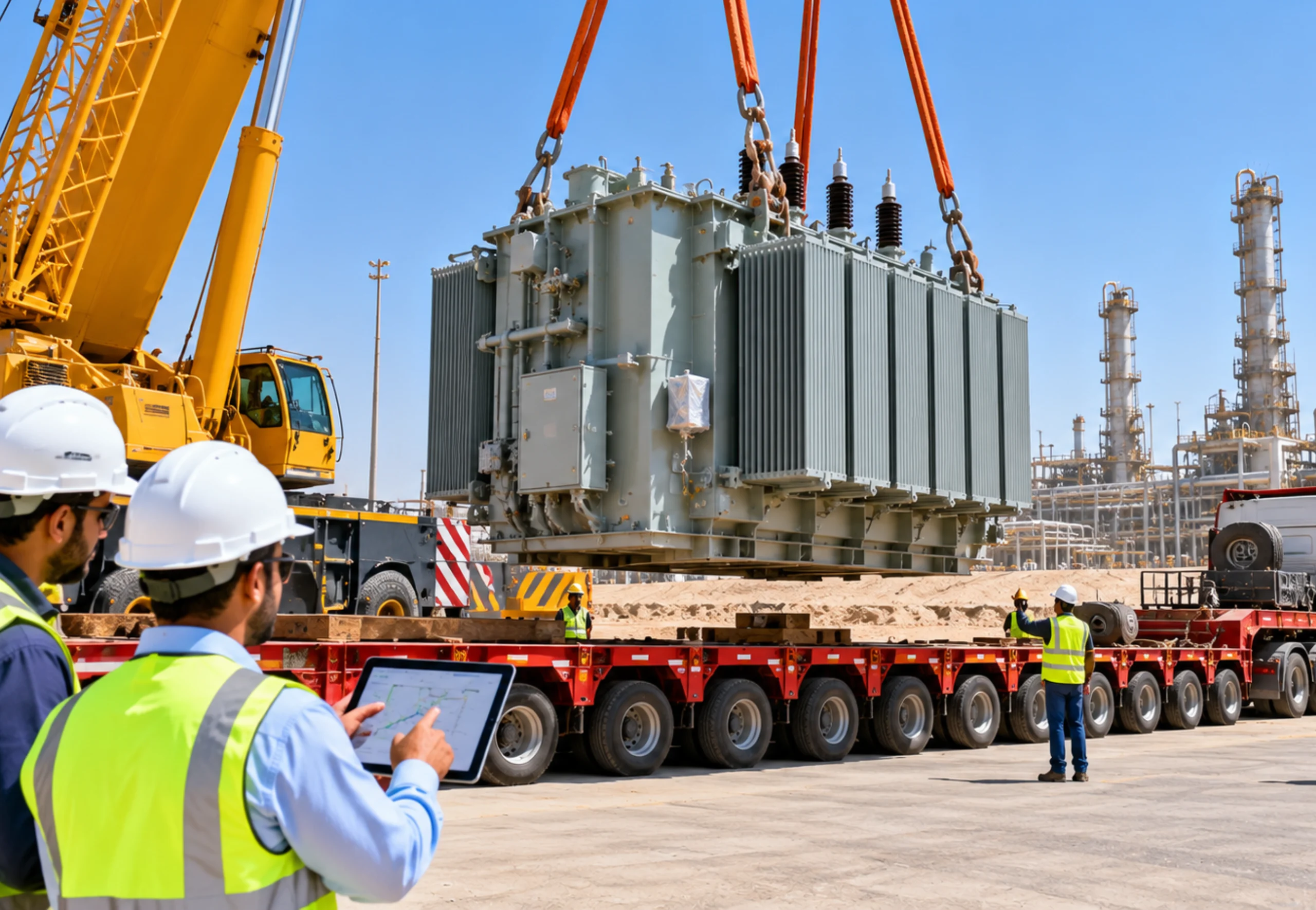
A forwarder with a project team, not a consolidator. A generator or transformer needs route checks, permits and a planned lift before it moves. That coordination is called logistics project management, and it usually begins with a site survey.