
What a Global Freight Forwarder Does in Saudi Arabia
Why Do Freight Forwarding Companies Handle More Than Shipping?
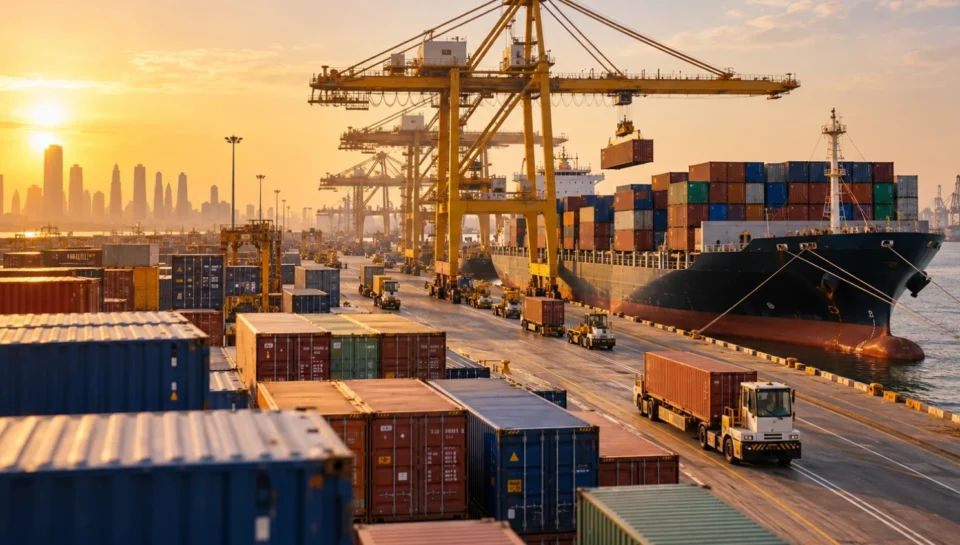
Freight forwarding companies in Saudi Arabia sit between the shipper and a dozen other parties: carriers, customs brokers, port authorities, and inland transporters. Saudi Arabia’s main gateways each carry a different role. Jeddah Islamic Port manages the bulk of Red Sea container traffic. King Abdulaziz Port in Dammam serves the Gulf side and the eastern industrial belt. Riyadh’s air cargo terminal picks up what sea freight can’t move fast enough. A forwarder tracks which route fits which shipment, then manages the handoffs between them.
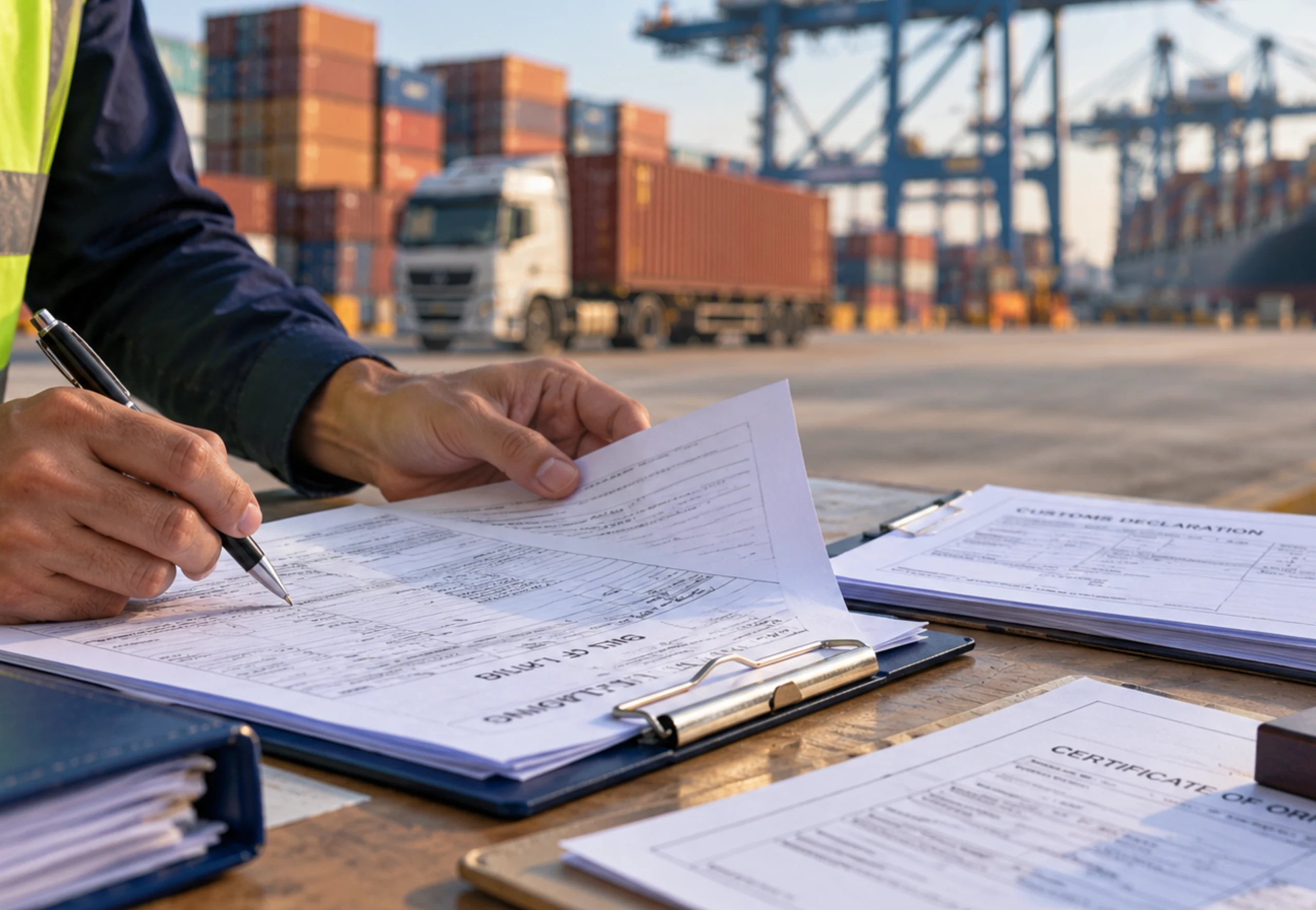
Customs clearance is where a lot of shipments stall. Saudi import rules require SABER certification for many product categories before goods can even be scheduled for clearance, and a missing or incorrect certificate can hold a container at port for days. A forwarder with local customs experience across Saudi ports, airports, and land borders catches these issues before the shipment arrives, not after.
Warehouse and Distribution Services That Keep Goods Moving After the Port
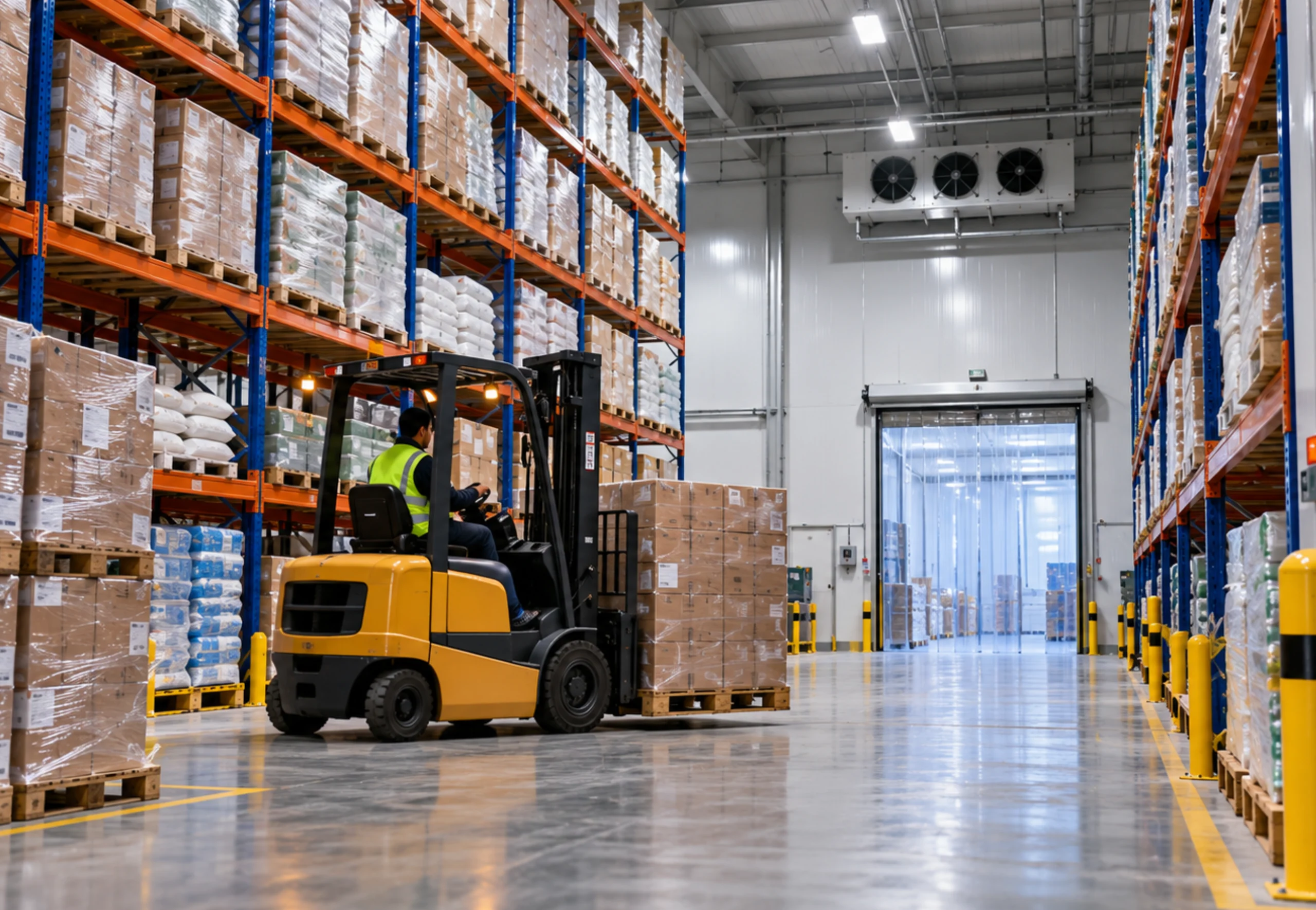
This is also where the distinction between 3PL and 4PL gets practical. A 3PL provider runs the physical warehouse and moves the goods. A 4PL provider coordinates multiple logistics vendors on a client’s behalf, which matters for a business juggling several suppliers or distribution points across the GCC.
Logistics and Packaging Decisions That Prevent Damage Claims
Logistics and packaging get treated as an afterthought until something arrives broken. Project cargo and out-of-gauge shipments (ODC, in industry shorthand) need packaging engineered for the specific load, not a generic crate. Cross-border GCC moves add another layer, since a packaging standard acceptable for a short domestic haul might not hold up over a longer multi-border route with several loading and unloading points. Time-critical shipments, live animal transport, and temperature-sensitive cargo each carry their own handling protocols, and a forwarder familiar with these categories builds the packaging plan around the cargo rather than forcing the cargo into a standard box.
Why a Global Freight Forwarder Beats Managing Five Separate Vendors
None of these pieces work well in isolation. A shipment that clears customs quickly but sits in the wrong type of warehouse, or one that’s packaged correctly but routed through a port with no capacity for its cargo type, still causes delays. The value of working with a single global freight forwarder across ocean, air, road, warehousing, and customs is that one party is accountable for how these pieces connect, rather than a business managing five separate vendors and hoping the handoffs line up.
Final Thoughts
Supply chains in Saudi Arabia are shaped by SABER compliance, port-specific capacity, and the sheer distance between GCC markets. A forwarder that understands all three tends to prevent problems rather than fix them after the fact. If your current shipments are stalling somewhere between the port and the warehouse, where exactly is the delay happening?
FAQ
Three working days is the rough average when everything is in order: The SABER certificate attached, HS code correct, no mismatch between the invoice and the packing list. Miss one of those and the shipment gets pulled aside for correction rather than rejected outright. That can add anywhere from four days to two weeks, depending on how fast the missing document reaches the port.
Not everything needs it. Electronics, toys, and a handful of chemical categories fall under SABER, but plenty of raw materials and finished goods don’t. The mistake most businesses make is checking the HS code after the shipment has already left the origin port. By then, applying for certification just stacks delay on top of delay.
Physical control is the short answer. A 3PL owns that piece: running the warehouse floor, moving pallets, and managing inventory counts. A 4PL sits a layer above, coordinating several 3PLs or carriers so a business running three warehouses across two countries isn’t managing each one separately. One warehouse rarely justifies a 4PL. Three or more usually does.
Yes, and it often works out cheaper than splitting the work across separate vendors, since accountability doesn’t get lost between handoffs. Look for a provider that can show direct experience across all three, not just freight with warehousing added as an afterthought.
For shipments moving between Saudi Arabia, the UAE, Qatar, and Oman, road transport is often faster than rerouting through sea freight for a short regional hop. Transit times vary by border crossing congestion, so building in a buffer day or two is standard practice for time-sensitive cargo.