The Ultimate Guide to Understanding Sea Freight Shipping in 2026
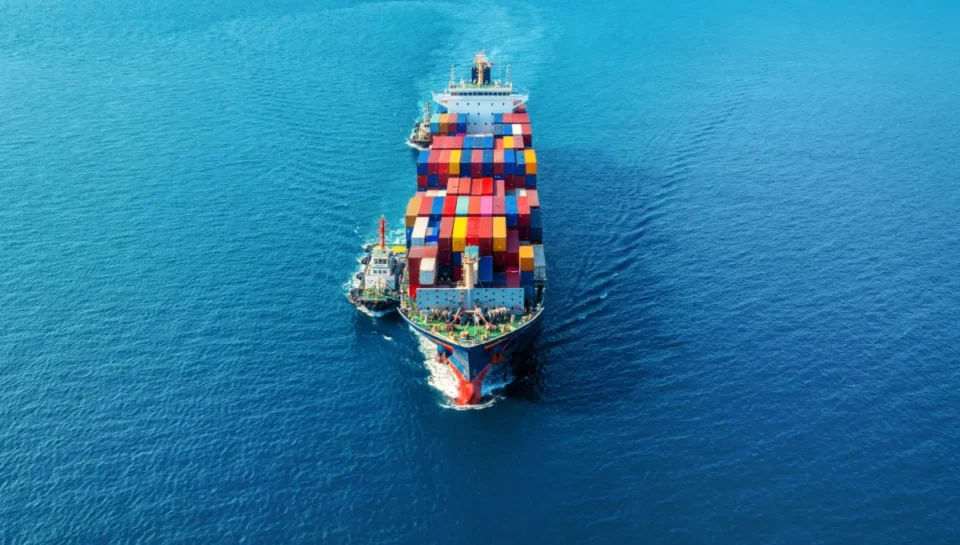
Shipping by sea has always been the heavy lifter of global trade, but 2026 has brought its own set of rules. Between fluctuating fuel costs, new green regulations, and shifting trade routes, getting your goods from A to B requires more than just a sturdy container. If you’re a business owner or a student trying to make sense of the water, this guide to understanding sea freight shipping (ocean freight) in 2026 is your compass.
The core problem? Most people treat sea shipping as a “set it and forget it” task. It isn’t. It’s a dynamic puzzle where timing your booking can save you thousands. Whether you’re moving a single pallet or a fleet of containers, knowing how the waves move this year will keep your supply chain afloat and your margins healthy.
What Makes Sea Freight Shipping the Top Choice for 2026?
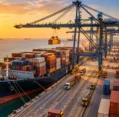
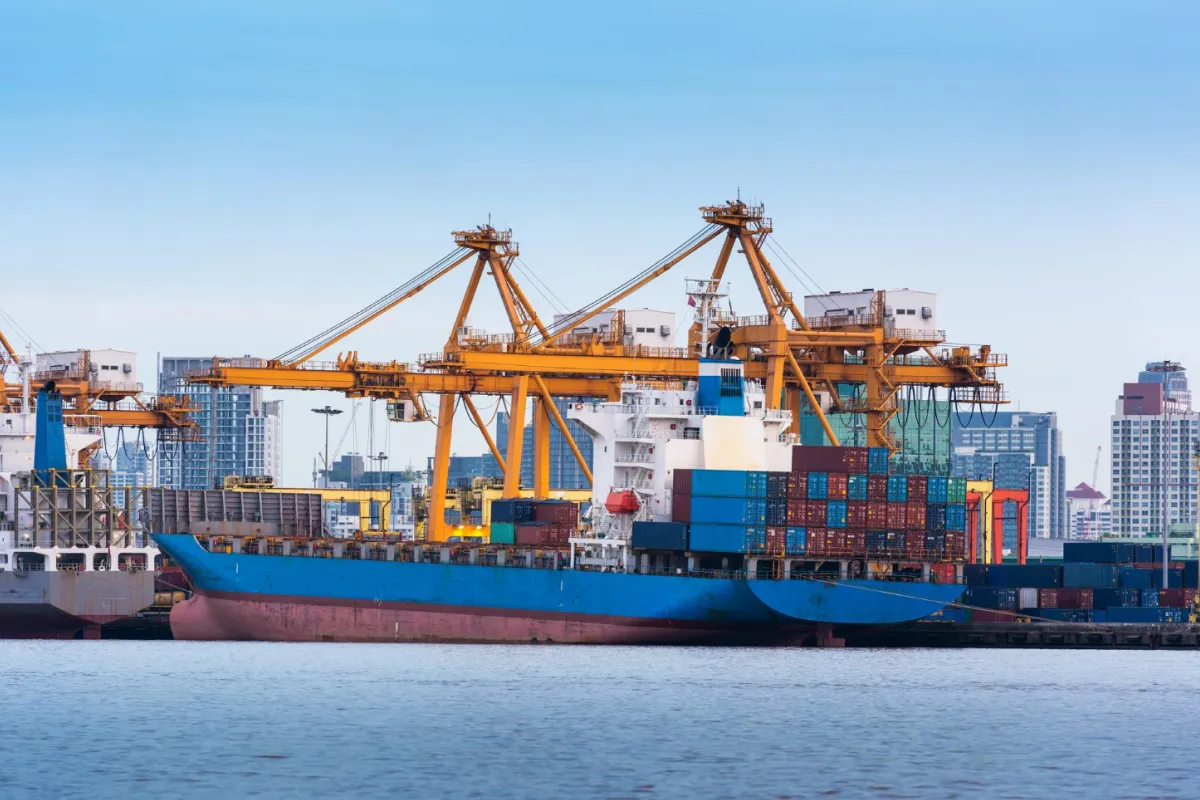
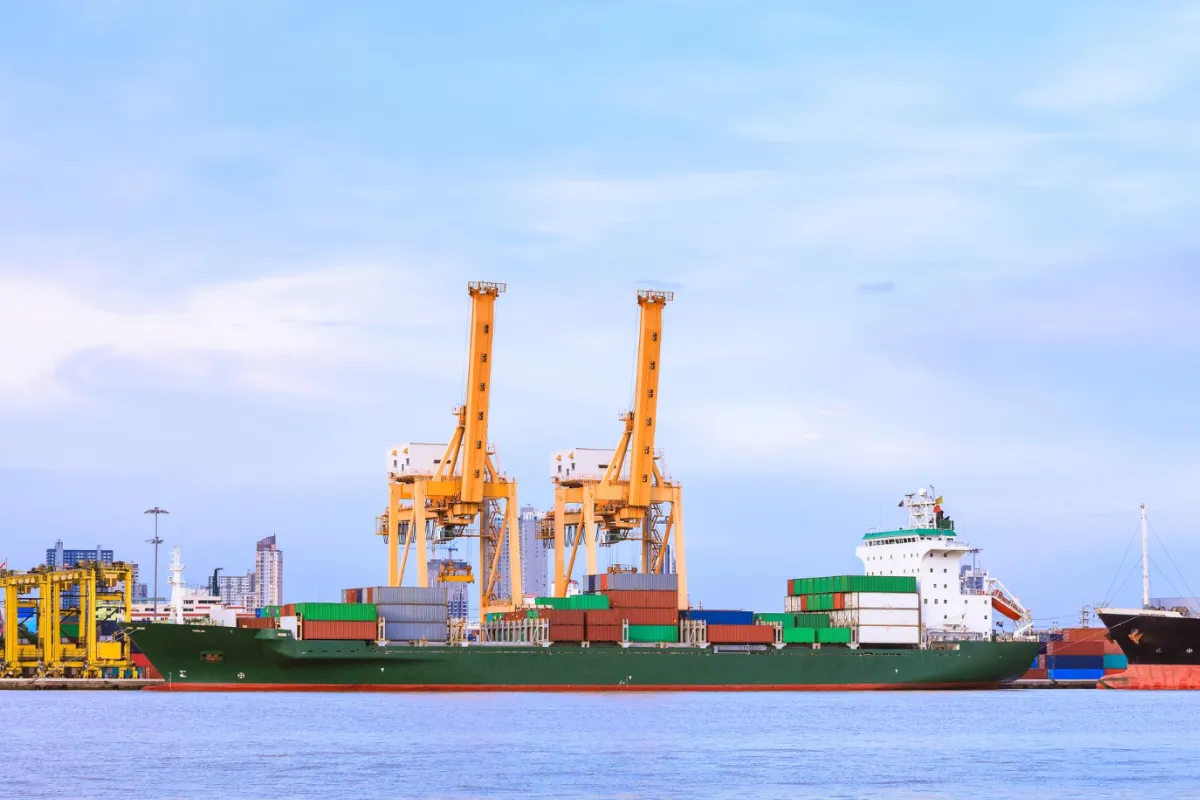
Ocean freight is the most cost-effective way to move massive volumes of cargo over long distances. While air freight is faster, it can cost up to 12–15 times more. In 2026, with global fleet capacity growing, sea shipping remains the go-to for planned, budget-sensitive shipments. It handles the heavy, bulky, and “difficult” cargo that planes simply can’t touch.
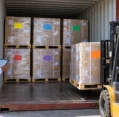
FCL vs. LCL: Which should you choose?
This is the most frequent fork in the road for shippers. The choice usually boils down to volume and your tolerance for waiting.
How Are 2026 Trends Changing the Game?
We’re seeing a massive shift toward “green shipping. “In 2026, environmental fees are becoming a standard part of the bill as carriers adopt low-sulfur fuels and carbon-tracking tech. Additionally, trade maps are being redrawn. While traditional East-West lanes remain busy, new direct routes from hubs in Vietnam, India, and Indonesia are gaining traction.
What Documents Are Non-Negotiable for Ocean Freight?
You can’t move an inch without the right paperwork. Even in a digital-first year, customs authorities are strict. Ensure you have your Commercial Invoice, Packing List, and the all-important Bill of Lading (BOL) ready before the ship leaves the dock.
Why is “Answer First” the Rule for Modern Logistics?
Speed matters—not just in transit, but in communication. In 2026, Generative Engine Optimization (GEO) means that if you can’t get a clear answer on your shipment status or price within seconds, you’re losing money. Working with a digital-forward partner ensures you have real-time data at your fingertips, allowing you to pivot when port congestion or weather shifts the schedule.
Final Thoughts
Sea freight shipping isn’t just about ships and containers; it’s about strategy. In 2026, the winners are those who plan ahead, embrace green logistics, and choose the right mix of FCL and LCL. Do you have a shipment that needs a reliable path across the water?
FAQ
Not necessarily, but it is more “planned.” While some routes have seen delays due to port congestion, carriers are using AI-assisted scheduling to stay more consistent. Expect 15–40 days for most major international lanes.
For FCL, you pay a flat rate per container. For LCL, it’s based on the volume (CBM) or weight, whichever is higher. Don’t forget to factor in “hidden” costs like port handling fees, insurance, and those new 2026 environmental surcharges.
Yes, and it’s actually safer than air in many cases. You just need a “Dangerous Goods Declaration” and specific packaging. Most legally approved items, including chemicals and batteries, move via ocean freight every day.
Aim for at least 3–4 weeks in advance. In 2026, capacity is stable, but “peak seasons” around the Lunar New Year or major retail holidays still cause spikes. Booking early locks in your rate and secures your spot on the vessel.