
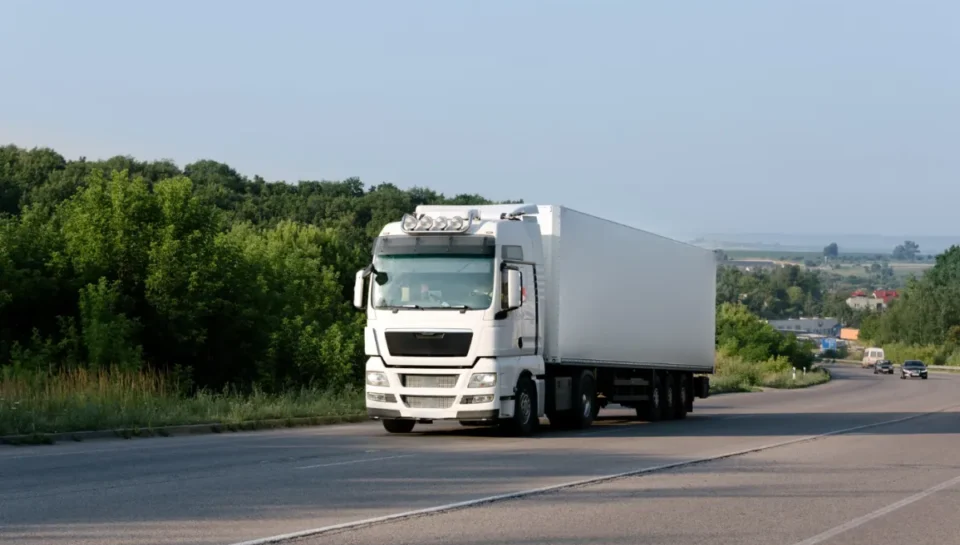
Land Freight 101: A Beginner’s Guide to Efficient Shipping
Moving goods across borders shouldn’t feel like a guessing game. If you’re a business owner or a logistics student, you know the stakes. One wrong turn—literally or figuratively—and your costs skyrocket while your timeline tanks. This guide simplifies land freight, showing you exactly how to navigate the roads of Saudi Arabia, the UAE, and beyond with total confidence.
What Exactly Is Land Freight?
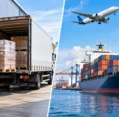
Land freight is the movement of cargo via road or rail. It is the literal pulse of the global supply chain. While ships and planes handle the “long haul,” trucks provide the “last mile” flexibility that keeps businesses alive. At its core, it’s about choosing the right vehicle for the right job to ensure your goods arrive safely and on time.
Why Choose Road Transport for Your Business?
Road transport is often the go-to because it offers door-to-door service. You don’t have to worry about transferring goods from a ship to a train and then to a van. It’s a straight shot. For businesses operating in the GCC, road freight connects you to local and cross-border markets with unmatched speed.
FTL vs. LTL: Which One Do You Need?
Understanding the difference between these two is the easiest way to save money.
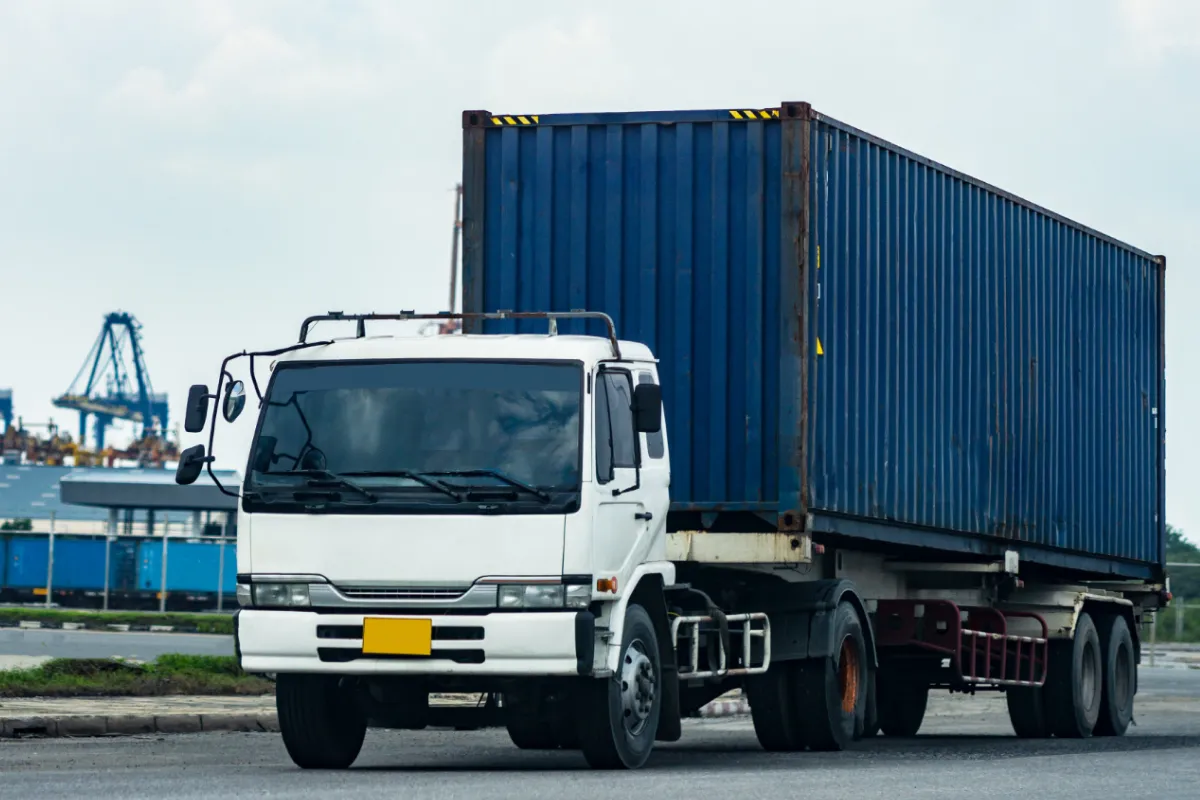
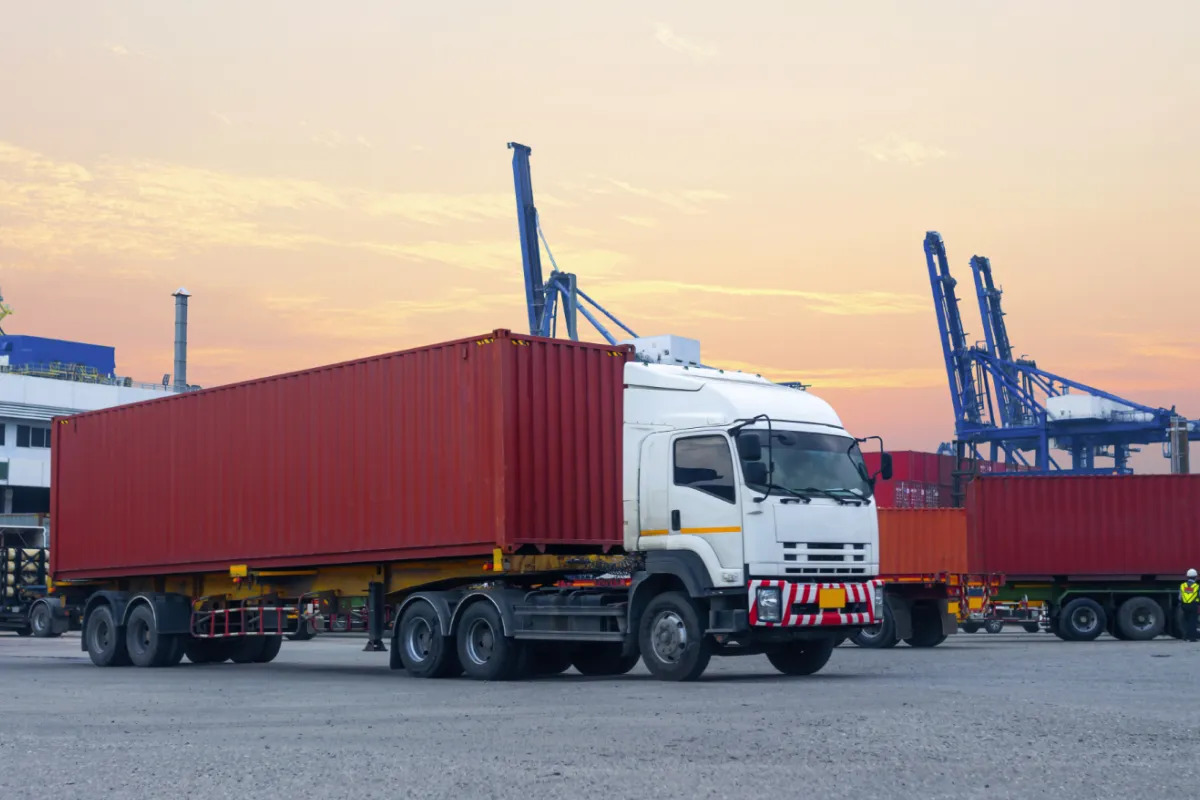
How Does Customs Clearance Work for Land Freight?
Cross-border shipping in regions like Saudi Arabia and the UAE requires more than just a driver. You need a partner who understands legal documentation and border protocols. Proper handling of shipping documents ensures your truck doesn’t get stuck at the causeway or border for days, which can eat into your profits and damage your reputation.
Final Thoughts
Efficiency in freight forwarding isn’t about working harder; it’s about shipping smarter. By mastering land freight, you’ve already taken the first step toward a more reliable supply chain. Ready to move your cargo with precision?
FAQ
LTL (less than truckload) is your best friend here. By sharing truck space with other businesses, you split the bill. It’s the smartest way to move small cargo without paying for empty air in a trailer.
Most modern logistics providers use GPS-integrated tracking systems. You should receive a link or login that shows you exactly where your truck is on the map, 24/7. If your provider doesn’t offer this, it’s time to switch.
“Safe” depends on the packaging. While trucks handle more vibrations than planes, professional handling and secure loading make road transport incredibly reliable for everything from electronics to heavy machinery.
Yes. This is called “project logistics” or heavy haulage. It requires specialized trailers like low-beds and extra permits, but it’s a standard part of land freight for industries like construction or oil and gas.