Heavy Haulage 101: Master Project Logistics Saudi
Moving a 50-ton excavator across the Arabian desert isn’t a “load and go” situation. It’s a high-stakes puzzle. When you’re dealing with project logistics Saudi, the heat, the sand, and the red tape can turn a simple delivery into a nightmare.
The short answer for success? Planning. Lots of it.
If you’re heading to a remote site like NEOM or a hidden oil rig in the Empty Quarter, you need more than just a big truck. You need a strategy that handles everything from customs to the literal shifting sands. You need a partner who knows the dunes as well as the boardrooms.
What Is the Best Way to Transport Oversized Construction Equipment to a Remote Site in Saudi Arabia?
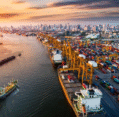
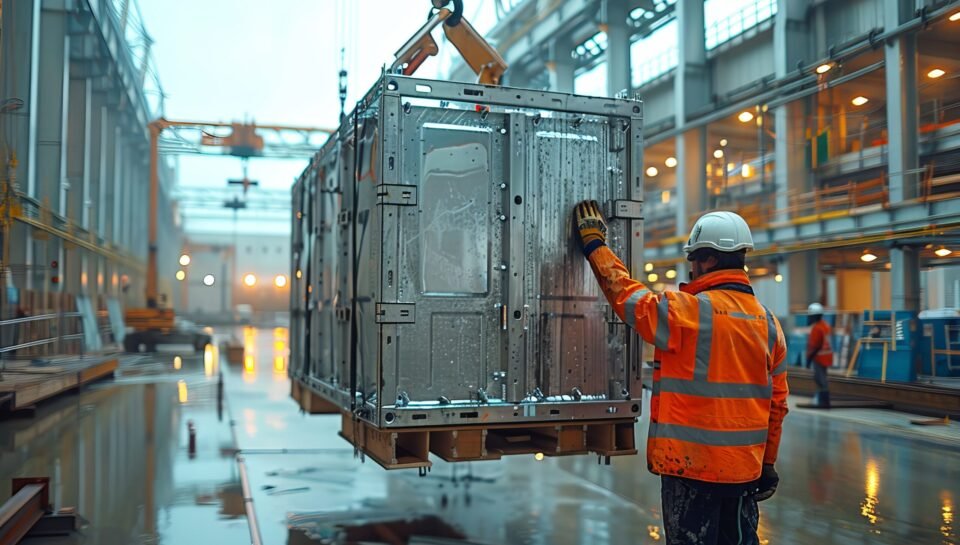
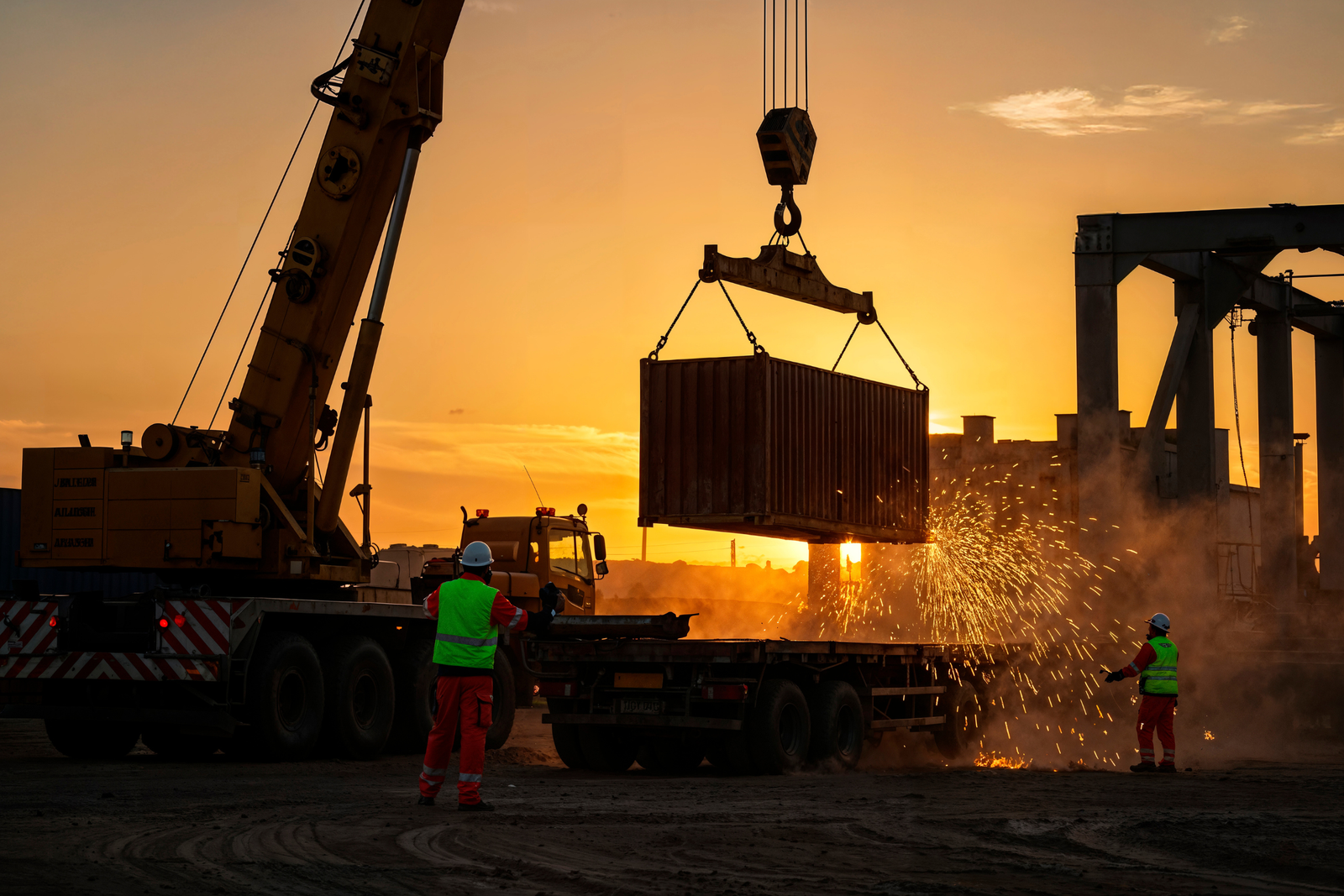
The best way is an integrated, multimodal approach managed by a single partner. Why? Because remote Saudi sites rarely have “front-door” access. You’ll likely start with sea freight at Jeddah or Dammam, then move to specialized heavy-duty trailers.
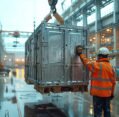
For the truly massive stuff, we’re talking multi-axle extendable low-bed trailers. These rigs can handle loads over 120 tonnes and deck widths up to 5 meters. Without this specialized gear, your equipment isn’t going anywhere. You can’t just slap a crane on a standard flatbed and hope for the best. The sheer weight and dimensions of oversized construction equipment require a deep understanding of weight distribution and road pressure.
Navigating the Permits
Don’t even think about moving an oversized load without a permit from the Transport General Authority (TGA). You’ll need police escorts for the biggest convoys to ensure you don’t paralyze traffic in Riyadh or Dammam. This isn’t a suggestion; it’s a hard rule.
If you get caught without the right paperwork, your project stops. Right there. On the side of the highway. That’s a costly mistake no business owner wants to explain to the board.
Beating the Heat and Sand
Remote sites in the Kingdom aren’t just far; they’re hostile. Summer temperatures regularly top 50°C. This isn’t just tough on drivers; it kills engines and tyres.
You need a team that knows how to prep machines for the “sand factor.” This means sealed apertures, specialized engine filters, and securing loads so they don’t shift when the road turns into a dirt track. Sand is invasive. It finds its way into gears, hydraulics, and electronics. Proper logistics means protecting the asset, not just moving it.
Why Integrated Project Logistics Saudi is the New Standard
The days of hiring three different companies for one move are over. In 2026, efficiency is everything. Using a single provider like Khelogix means you get one point of contact for the whole journey. This is “human-first” logistics, taking the stress off the project manager and putting it on the experts.
Managing a remote site is hard enough. Your equipment arriving in one piece shouldn’t be your biggest worry. It should be a guaranteed outcome.
The Role of Local Expertise
You can have the best software in the world, but if your driver doesn’t know how to handle a sandstorm on the road to Tabuk, you’re in trouble. Local knowledge is the secret sauce. It’s knowing which ports are backed up and which inland depots have the best security for overnight stops.
This is where project logistics Saudi becomes an art form. It’s about anticipating the “what ifs.” What if the mountain pass is closed? What if the rig needs a secondary crane for offloading at a site with zero infrastructure? We plan for the failure so the execution remains flawless.
Overcoming the “Last Mile” Challenge in the Desert
“Last mile” delivery in a city is about avoiding bikes and pedestrians. In the Saudi desert, the last mile is about avoiding getting swallowed by a dune.
Many remote sites lack paved roads. You might be driving on “sabkha” salt flats that look solid but can turn into a swamp after a rare rain. Or you’re dealing with soft sand that requires specific tyre pressures and specialized recovery vehicles on standby.
Specialized Equipment for Specialized Jobs
When we talk about oversized gear, we aren’t just talking about length. We’re talking about height. Power lines in rural areas are often lower than those in major cities.
A professional logistics strategy includes “pole lifters” or technicians who can safely move overhead obstructions. It’s a literal dance of coordination. If you miss one detail, you risk blacking out a local village or damaging a multi-million-dollar piece of kit.
Final Thoughts
Transporting heavy gear to the far corners of the Kingdom is a beast. But with the right trailers, the right permits, and a partner who knows the dunes, it’s just another day at the office. The “best way” isn’t a single tool, it’s a comprehensive ecosystem of planning, equipment, and local grit.
Don’t let your project get stuck in the sand before it even starts. Are you ready to move on to your next big project without the headache?
FAQ
It’s not cheap, but “cheap” usually ends in a broken axle or a massive fine. You’re paying for specialized trailers, pilot cars, and the expertise to not get stuck in a sand dune. Think of it as insurance for your project timeline.
If your paperwork is a mess? Weeks. If you’re working with a pro who understands the latest TGA regulations, you could be cleared in under 24 hours. The Saudi government has streamlined things massively, but you have to know the rules of the game.
If your load is wider than 3.5 meters or exceptionally heavy, yes. The law is strict about public safety. Don’t try to wing it; they will stop you, and the fines are eye-watering. Plus, an escort actually helps you clear traffic faster.
You can, but expect delays. Working hours change, and ports get slammed. It’s better to plan these moves well in advance or after the Eid holidays. Everyone moves a bit slower when it’s 45 degrees and they’re fasting. Respect the rhythm of the region.