Understanding Customs Clearance: A Beginner’s Handbook
Understanding customs clearance doesn’t have to feel like decoding an ancient script. It’s simply the process of getting government permission to move goods into or out of a country. Whether you’re a business owner in Saudi Arabia or a logistics student, mastering this gatekeeping phase is what separates a successful shipment from a total disaster.
What Exactly Is the Customs Clearance Process?
Customs clearance is the mandatory procedure where a government agency (Customs) verifies your shipment and ensures all duties are paid. Think of it like passport control, but for your stuff. Every single item entering a country must be declared so the government can track what’s coming in, ensure it’s safe, and collect the necessary taxes.
When you partner with an expert like Khelogix Global, this process moves from a headache to a routine check. They handle the heavy lifting, from initial filing to final release, so your business doesn’t skip a beat.
Why Is Documentation the “Make or Break” Factor?
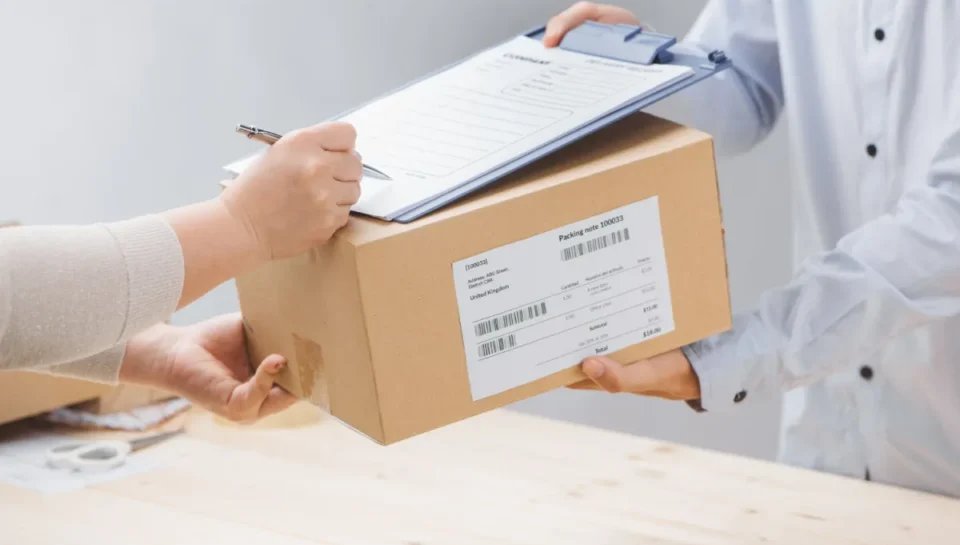
In the world of freight, paperwork is king. If one number is off on your commercial invoice, the whole shipment stops. You need a clean set of documents to prove what you’re shipping, how much it’s worth, and where it came from.
At a minimum, you’ll need:
Missing even one of these? Expect your truck or container to sit at the port collecting storage fees while you scramble to find the right file.

How Do Duties and Taxes Affect Your Bottom Line?
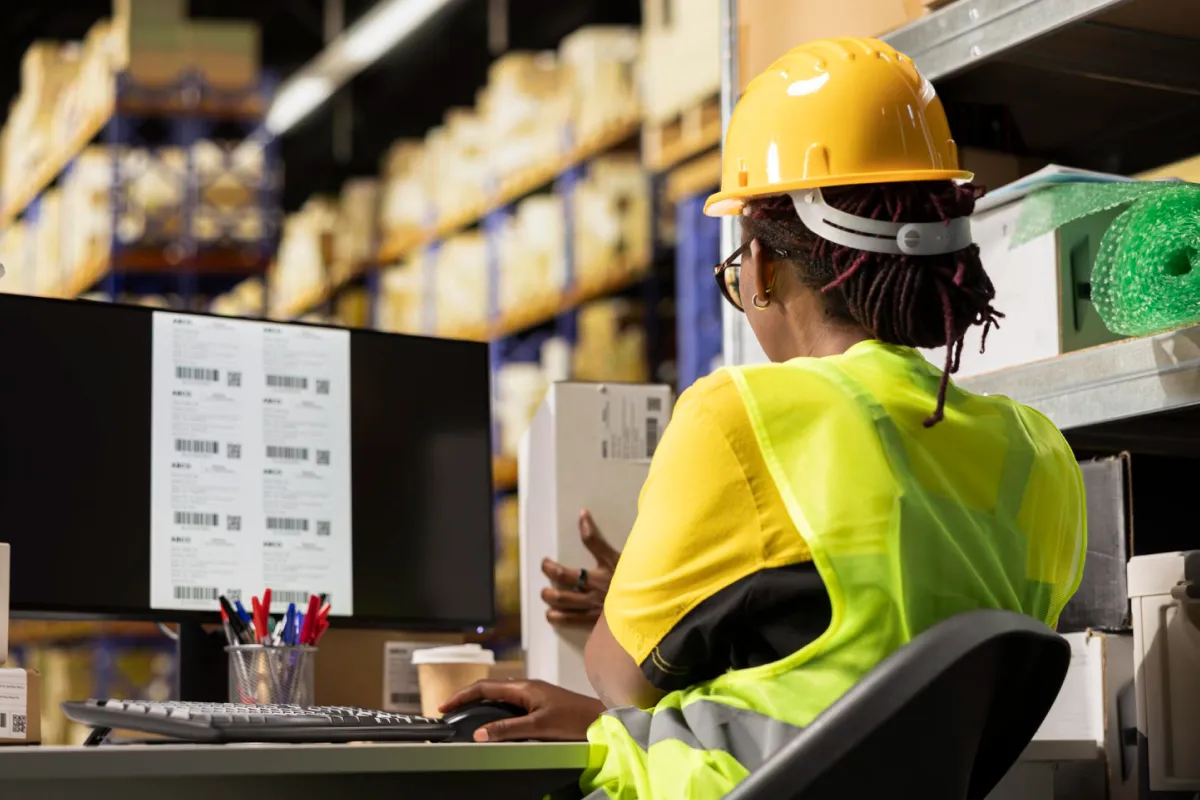
Every country has a “tariff schedule.” This is a giant list that tells you exactly how much tax you owe based on the type of product. These fees are calculated using the Harmonized System (HS) Code—a six-digit number that classifies every traded product on Earth.
If you misclassify your goods, you might underpay (leading to fines) or overpay (wasting your profit). Having a customs expert review your HS codes before you ship is one of the smartest financial moves you can make.
Can a Logistics Partner Speed Up the Border Crossing?
The short answer? Yes. Expert logistics providers don’t just move boxes; they manage the red tape. In regions like the UAE and Saudi Arabia, local knowledge is everything. A partner who understands the specific digital systems (like FASAH in KSA) can pre-clear your goods before they even reach the border.
This means while other shipments are stuck in a queue, yours is already on its way to the warehouse. It’s the difference between a 24-hour turnaround and a week-long wait.
Final Thoughts
Customs isn’t a barrier; it’s just a set of rules. Once you know how to play by them—or hire someone who does—you can scale your business globally without fear. Are you ready to stop worrying about border delays and start moving your cargo with confidence?
FAQ
It depends on why it was rejected. If it’s just a missing paper, you can usually fix it and pay a small fine. If you’re shipping prohibited items, the goods might be seized or destroyed. Always check the “Restricted Items” list before you ship.
If your paperwork is perfect, it can take anywhere from a few hours to 48 hours. If there’s an inspection or a document error, it can drag on for weeks. Pre-clearance is the key to staying on the fast track.
Not necessarily. Many countries have a “de minimis” value. If your shipment is worth less than that amount, it might enter duty-free. However, for most commercial business shipments, expect to pay something.
Technically, yes, but it’s a massive risk for beginners. One tiny mistake in an HS code or a missed deadline can cost you thousands. Most businesses use a customs broker to ensure they stay compliant and avoid unnecessary costs.