
Saudi Arabia Airlines Cargo vs Sea Freight: What Wins?
Your shipment is ready. Now you have one decision that shapes everything else: does it go by air or by sea? This is not a trivial call. Saudi Arabia airlines cargo moves fast, but it costs more. Sea freight handles bulk volume well, but it works on its own schedule. Pick wrong and you are either overspending or missing a deadline that matters.
This guide breaks down how both options actually work, what each one costs you in time and money, and when one clearly beats the other.
What Does Saudi Arabia Airlines Cargo Services Actually Offer?
Speed is the headline, but that is not the whole story with air cargo services.
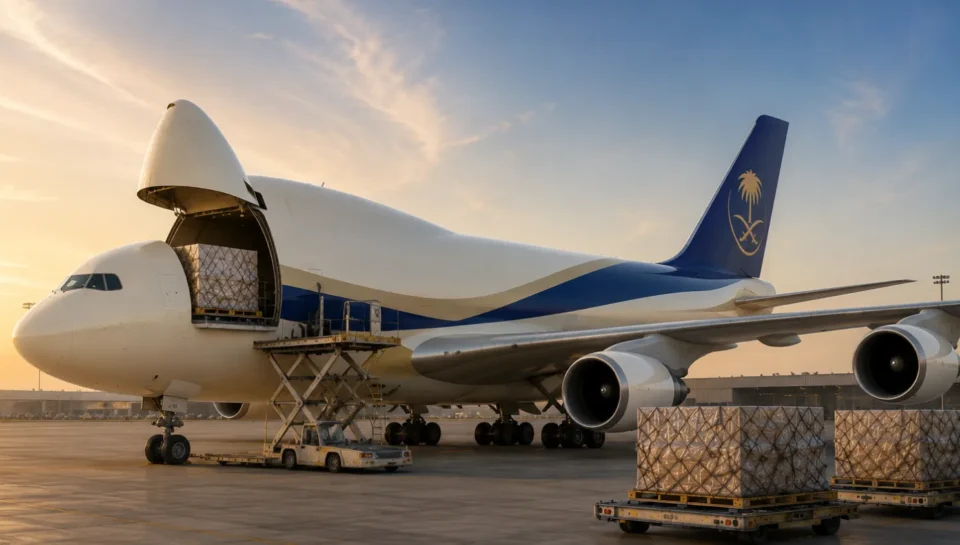
Flights from Saudi Arabia connect to major hubs across Asia, Europe, and the Americas through airports in Riyadh, Jeddah, and Dammam. Transit times to most Gulf and Asian destinations run between one and three days. Europe typically lands in two to four. Compared to weeks at sea, the gap is significant.
What people sometimes miss is how air freight handles cargo between pickup and delivery. Minimal loading stages, stricter handling protocols at airport facilities, and tighter temperature controls in dedicated cargo holds. For pharmaceuticals, electronics, or fresh produce, that handling difference is not a small thing.
The tradeoff is cost. Air freight pricing is calculated per kilogram. Sea freight is priced per container or per cubic meter. Once your shipment exceeds a certain weight and density, sea freight typically wins on cost by a margin that is hard to argue with.
The Real Deciding Factors: Time, Cargo Type, and Cost
Here is how to actually think through the choice.
- When Air Freight Makes Sense: Medical or pharmaceutical products that cannot wait or need temperature stability during transit sit firmly in air freight territory. So do urgent spare parts for industrial equipment. A production line down in Al Khobar while parts are sitting in a container ship somewhere is a business problem, not just a logistics inconvenience. Electronics, high-value goods, and time-sensitive retail orders fit the same category.
- When Sea Freight Makes Sense: Large machinery, construction materials, raw chemicals, and bulk retail inventory are natural fits for sea shipping. The volume-to-cost equation is simply more favorable. If your buyer can plan two to six weeks ahead, sea freight usually delivers better margin.
- The Weight Threshold Question: A general rule that many logistics planners use is this: shipments under 150 to 200 kilograms often make economic sense to fly. Beyond that, the calculation shifts. Your specific route and urgency still matter, but weight is one of the clearer signals.
Customs Clearance Applies to Both
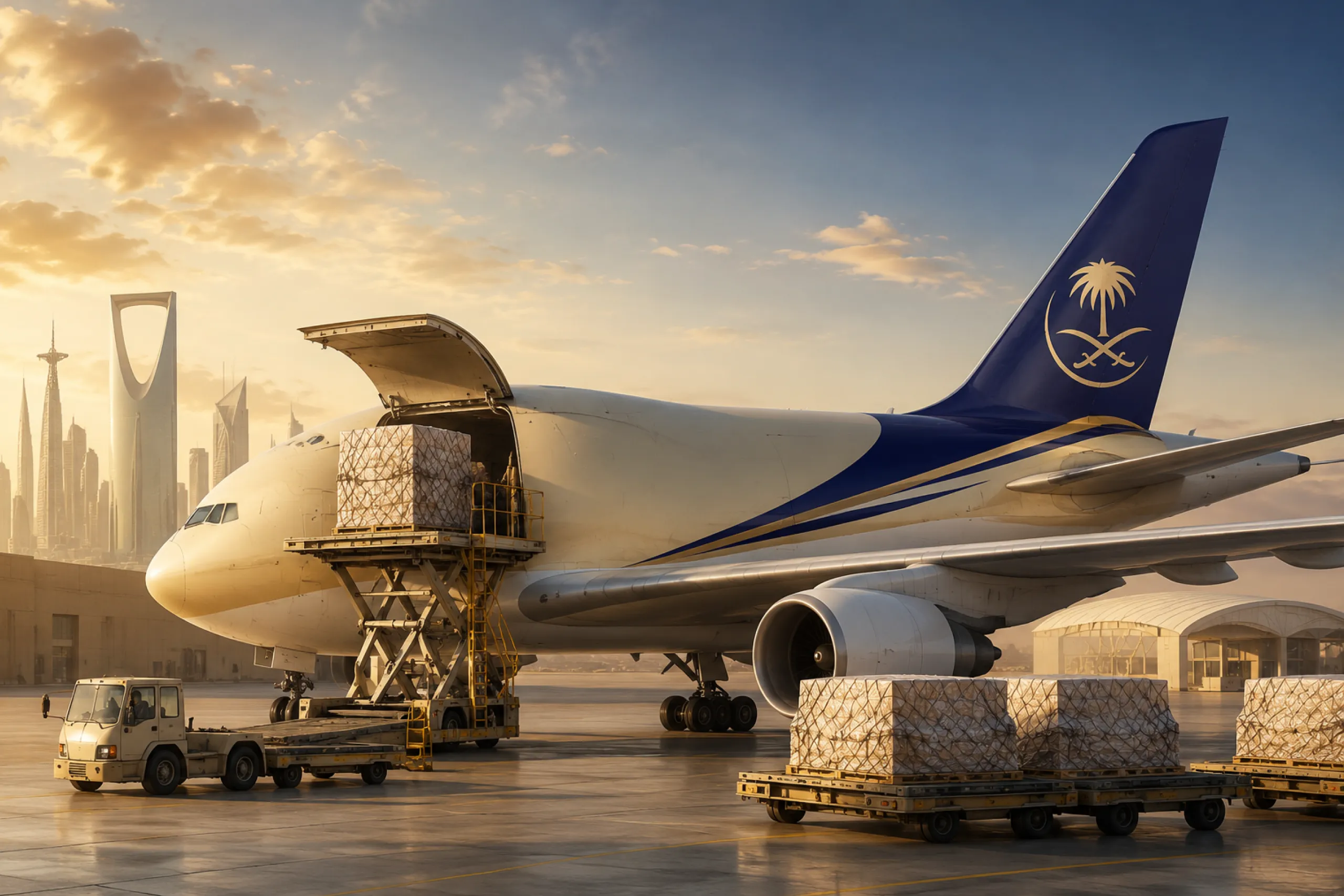
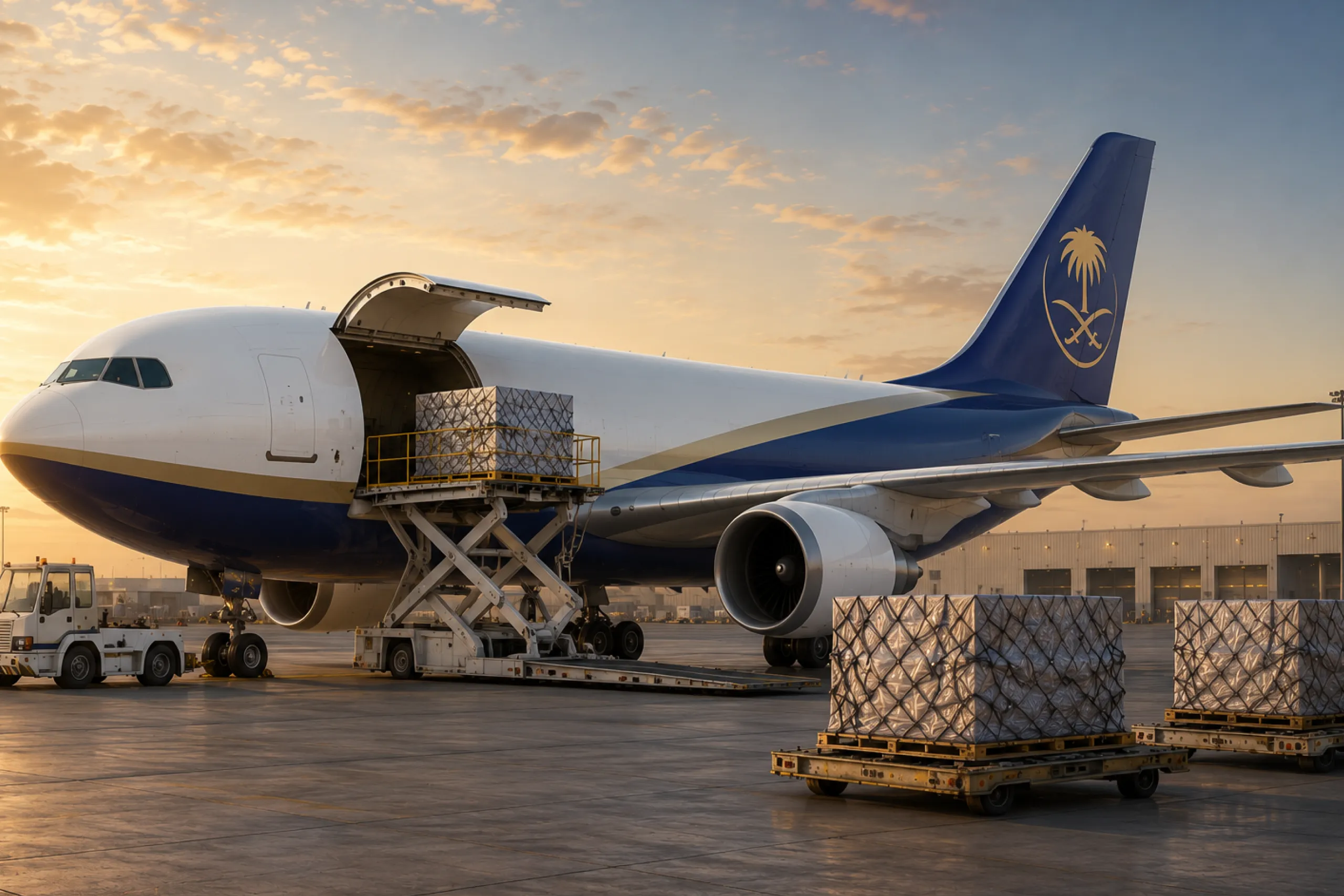
This is worth noting separately because it trips people up. Whether cargo comes by air or sea, Saudi customs clearance applies. Documentation requirements, commodity codes, import permits for certain goods, and VAT on imports all need to be in order before cargo clears.
Air freight moves through customs faster in most cases, partly because volumes per shipment are smaller and the airport clearance process at cargo terminals tends to be more streamlined. Sea freight at a busy port like Jeddah can sit pending customs for days if documentation is not complete.
Working with a freight partner who handles customs documentation as part of the service removes a layer of risk from both modes. Khelogix manages air waybills, customs paperwork, and full documentation support for shipments moving through Saudi Arabia and the UAE.
Final Thoughts
Air and sea freight are not competing products. They solve different problems. If your cargo is time-critical, high-value, or sensitive to handling, Saudi Arabia airlines cargo is the answer. If you are moving volume on a planned schedule and cost per unit matters more than speed, sea freight is the right tool.
The mistake most businesses make is defaulting to one mode without reviewing the specifics each time. Routes change. Urgency shifts. Cargo profiles vary by order.
So here is the question worth asking before your next shipment: which element costs your business more right now, a faster transit time or a lower freight rate?
FAQ
Yes, generally. Air freight is priced by weight and is several times more expensive per kilogram than sea freight. For small, urgent shipments, the premium is worth it. For large bulk orders, sea freight usually wins on cost.
Depends on the destination and service level. Within the Gulf, you are often looking at one to two days. Asia runs two to five days. Europe is typically two to four. Express options can shorten that further.
Technically possible, but rarely practical past a certain size. Standard cargo flights do handle heavy items, though anything truly oversized usually needs a charter arrangement. Most businesses moving big industrial equipment find sea freight or land transport fits better on both cost and logistics.
When you have time and volume. If the buyer can wait and you are filling containers rather than sending individual pallets, sea freight is the smarter call. Bulk materials, construction supplies, and large retail restocks rarely need to be on a plane.
It is often the first thing to check, honestly. Medicines, fresh food, and electronics tend to go by air because handling and speed matter. Steel, chemicals in bulk, heavy machinery, and the sea are the usual routes. Once you know what you are shipping, the mode usually becomes obvious pretty quickly.